
Matanuska Blueberry Ale Review: A Taste of Alaska in a Fruited Pale Ale
Matanuska Brewing Company’s Blueberry Ale is a fruit-forward beer from Palmer, Alaska, with a community rating of 4.04 out of 5. Matanuska’s current beer list features Backcountry Blue, a blueberry ale with blueberry aroma, a smooth feel, low bitterness, and a sweet, refreshing finish. The available third-party listing uses the exact name Blueberry Ale. That sounds like a simple pitch, but I like how clear it is: fruit character up front, beer underneath, and no promise of an aggressively sour or syrupy drink.
There is one useful detail to clear up before we get into the glass. A community profile titled Blueberry Ale lists 5% ABV and 20 IBU, while the brewery’s current Backcountry Blue page lists 4.5% ABV and 15 IBU. Backcountry Blue and Blueberry Ale may be related releases or different versions; I could not confirm an exact match. I keep those figures separate below rather than pretending the discrepancy is settled.

At a Glance
| Beer | Blueberry Ale, also currently listed by the brewery as Backcountry Blue |
| Brewery | Matanuska Brewing Company, Palmer, Alaska |
| Style | Fruited pale ale, as listed on the community beer profile |
| ABV | 4.5% on the brewery page for Backcountry Blue; a separate third-party listing for Blueberry Ale says 5% |
| IBU | 15 on the brewery page for Backcountry Blue; a separate third-party listing for Blueberry Ale says 20 |
| Community rating | 4.04 out of 5; rating count not supplied |
| Calories | No official calorie figure found |
| Hops and malt | No hop or malt bill published by the brewery |
My take on Matanuska Blueberry Ale
I read this as an easygoing fruit ale, not a sour built around sharp acidity and not a pastry-style novelty beer. The brewery’s own description emphasizes blueberry aroma, sweetness, smoothness, and low bitterness. Taken together, those details point to a beer where the fruit is meant to be recognizable without making every sip taste like dessert topping. That’s the balance I look for in a blueberry beer: enough fruit to make the name meaningful, enough pale-ale structure to keep it drinkable.
The official description does not promise fresh-fruit intensity, a tart finish, or a big hop aroma. It also does not publish a recipe bill. So I would not expect a sharp blueberry-skin tang or try to assign a citrus or pine character to particular hops. Instead, the likely appeal is the broad combination of gentle berry aroma, restrained bitterness, and a soft sweetness. The supplied 4.04 rating backs up the idea that this lands as a crowd-pleasing specialty pour, though the score alone cannot tell us whether every drinker is responding to fruit, balance, or local brewery loyalty.
A practical point for readers: the label image from the brewery is marked Backcountry Blue, not Blueberry Ale. If you are trying to match this review to a can or tap list, check for that name and use the brewery’s current specs on the label in front of you. My review keeps the requested Blueberry Ale title while recognizing the naming difference.
About Matanuska Brewing Company
Matanuska Brewing is rooted in Palmer, in Alaska’s Matanuska-Susitna Valley. The brewery’s story says its production brewery and hometown taproom sit on three rugged acres in Palmer and that it has been brewing there since 2017. The setting is part of the appeal: this is a local Alaska brewery building a range that spans crisp ales, hop-forward beer, dark beer, fruit flavors, seltzers, cocktails, and soda, rather than a single-product operation.
For a homebrewer, a fruit beer is a deceptively good test of restraint. Fruit additions can shift aroma, sweetness, color, acidity, and fermentation in ways that make a recipe feel one-dimensional if the base beer is an afterthought. Matanuska’s public description keeps the goal modest: berry aroma with a smooth, sweet, low-bitterness finish. That is a sensible way to make a blueberry ale approachable to drinkers who want flavor but do not want a sour bomb.
The brewery’s Alaska identity also makes this an interesting contrast to the fruit beers most readers see in national shops. It is a regional beer whose online profile has a broader footprint than its distribution may have. If you enjoy sampling beers tied to a place, our review of Alaskan Smoked Porter offers another Alaska-made beer with a very different profile: deep roast and smoke instead of berries and soft sweetness.
ABV, IBU, ingredients, and calories
The spec sheet needs a little care. Matanuska’s current beer page gives Backcountry Blue as 4.5% ABV and 15 IBUs. A separate public beer profile for the exact name Blueberry Ale gives 5% ABV and 20 IBUs. Because the brewery page uses a different name and does not explicitly connect the two names, the fairest answer is not to average them or quietly choose the more convenient one. For the current Backcountry Blue release, use the brewery’s 4.5% and 15 IBU. For a beer specifically labeled Blueberry Ale, the public profile says 5% and 20 IBU; treat those as third-party figures, not brewery-confirmed specs.
The difference is modest on paper, but the information source matters. ABV gives a useful sense of strength and body; IBU is a measured bitterness estimate, not a guarantee of how bitter a fruit beer tastes. Fruit sweetness and malt balance can soften the impression of bitterness, so 15 or 20 IBUs should not be read as an IPA-like bite. If you want a refresher, our explanation of what IBU means in beer puts the number in context without treating it as a taste score.
I found no published hop variety list, malt bill, or official calorie figure for either name. The brewery describes the aroma and general finish, but it does not name the grains or hops. That means I cannot responsibly call out a specific variety, assert that wheat or oats are in the grist, or provide a calorie count. Calorie totals depend on both alcohol and residual extract, so a rough ABV-based guess would not be an official number. If calories are important to you, check the can or ask the brewery for nutrition data for the exact product.
For context, the brewery’s listed 4.5% version is near the strength of many sessionable ales, while the third-party profile’s 5% version is still in familiar everyday-beer territory. Neither figure suggests an imperial fruit bomb. That moderate range is a good fit for a blueberry ale meant to work at a backyard meal, a casual tasting, or a first step into flavored craft beer.

What does Matanuska Blueberry Ale taste like?
Appearance
The brewery’s own can art is blue and white, but that is not the color of the beer. The real-world pours shown with the beer look amber to dark copper, with a light tan or off-white head depending on the glass and lighting. That visual distinction matters because a blueberry name can make people expect a purple or blue drink. This is still beer in the glass, not a novelty-colored cooler.

Aroma
Blueberry is the one aroma cue the brewery explicitly calls out, so it should lead the nose. I would expect a familiar berry impression rather than a list of made-up fruit notes. The exact aroma can come across as fresh, jammy, or candy-like to different drinkers, but the brewery describes it as fruity and smooth rather than tart or sharply acidic. That restrained framing is useful if you are choosing between a conventional fruit ale and a sour.
Flavor and finish
The best expectation is a gentle sweetness, a recognizable blueberry note, and low bitterness. That combination makes the beer easy to approach, but it also means drinkers who want crisp dryness or a pronounced hop finish may find it soft. The supplied rating of 4.04 suggests that the overall profile works for fans of fruit-forward beer. I would serve it cold, but not icy: a little warmth in the glass lets the berry aroma show more clearly.
If you enjoy fruit beer but want a brighter, more citrus-led comparison, Cali Squeeze Blood Orange is a useful contrast. It takes the wheat-ale route and puts orange front and center. Matanuska’s blueberry beer sounds gentler and more berry-focused, while Cali Squeeze leans into a sharper citrus impression.
For more fruit-led ideas, browse our fruity beer picks. That collection spans several kinds of fruit character, which is helpful because “fruity” can mean a sweet wheat ale, a tart sour, or a hop-forward beer with tropical aromas. Blueberry Ale belongs closer to the approachable fruit-ale side than to the sour end of that spectrum.
Food pairings: blueberry ale at the table
Fruit ale pairing is mostly about matching sweetness and keeping heavy seasoning from burying the beer. I would start with roasted chicken, turkey sliders, or a mildly seasoned pork sandwich. The meat brings savory depth, while the beer’s berry note gives a fresh contrast. If there is a glaze or sauce, keep it more savory than sugary so the plate does not become sweet-on-sweet.
A cheeseboard works well too. Try a mild cheddar, young gouda, or a creamy cheese with plain crackers and a few fresh berries. Blue cheese can be compelling if you like a strong sweet-salty contrast, but it may overpower the beer’s subtle fruit. For a summer table, grilled vegetables, a simple green salad, and a lightly seasoned salmon fillet are all better bets than a heavily smoked or aggressively spiced dish.
Dessert is a natural option, but not every dessert. A berry tart, vanilla cheesecake, shortbread, or a not-too-sweet chocolate dessert should leave room for the beer. If your dessert is already packed with jam, frosting, or syrup, the beer can feel cloying beside it. Our guide to pairing beer with desserts has more ideas for finding that balance.


For a cookout, I would keep sauces balanced and avoid a heavy smoke profile that overwhelms berry aroma. Use our beer and BBQ pairing guide to match stronger rubs and sauces to sturdier styles. Blueberry ale is best when the food leaves its softer fruit character room to show.
How it compares with similar beers
The closest comparison on this site is Cali Squeeze Blood Orange, another fruit-led ale with a more citrus-forward profile. For berry character, Original Sin Black Widow is a blackberry cider rather than an ale, so it gives you a sharper apple-and-berry direction, with no malt body. Blueberry Ale should sit between those poles: a malt-based beer with gentler berry cues.
If you want a brighter wheat base and tropical fruit, our Mango Cart review covers a very different but still approachable fruit ale. The comparison helps explain why the base style matters. Mango Cart’s mango character is sunny and tropical; Matanuska’s blueberry profile is likely rounder and more familiar to people who like berries. For sourness instead of sweetness, see what a gose tastes like before choosing a tart fruit beer.
Homebrewers thinking about fruit in a darker base can also look at our blueberry and coconut stout recipe. It uses blueberry in a richer, roast-led direction, which is almost the opposite of the easy-drinking impression Matanuska describes. That contrast is a useful reminder: the fruit is only one part of the beer’s character; the base style shapes how it lands.
Where to buy it, plus five fruit-beer alternatives
I could not verify a Saucey listing for Matanuska’s Blueberry Ale or Backcountry Blue, so I am not linking a different product as if it were the same beer. The five live options below are honest substitutes in the broader fruit-beer lane. They do not all taste like blueberries: some lean raspberry, banana, grapefruit, or mango. That is the trade-off when the exact Alaska beer is not in the shop catalog.
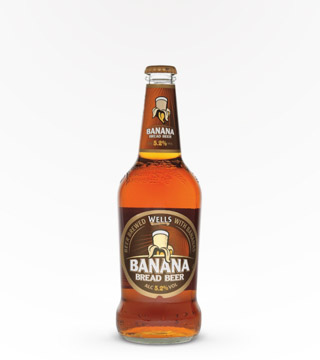
My closest picks are Founders Rubaeus and Shock Top Raspberry Wheat for berry character. Wells Banana Bread is sweeter and maltier. Schofferhofer Grapefruit is more citrus and wheat, while Mango Cart is the tropical option. If the blueberry flavor is the non-negotiable part, keep an eye on Matanuska’s own Alaska distribution and ask for Backcountry Blue by name.




Pros and cons
- Blueberry aroma and approachable sweetness give the beer an easy entry point.
- The brewery describes a smooth, low-bitterness finish rather than an intense sour profile.
- A regional Alaska beer with a clear local identity and an interesting fruit-ale style.
- The community rating supplied for this review is a strong 4.04 out of 5.
- Published ABV and IBU figures conflict between the current brewery page and the third-party Blueberry Ale profile.
- No official hop list, malt bill, or calorie figure is published.
- Availability outside Alaska may be limited, and I could not verify a Saucey listing.
- Drinkers who prefer dry, bitter, or sharply tart beers may find the described sweetness too soft.
Who should try it?
Blueberry Ale makes sense for someone who wants a fruit note without jumping straight to a sour, a high-ABV pastry beer, or an intensely hopped IPA. It also suits a mixed group where some drinkers like flavored beer and others want a recognizable pale-ale foundation. I would point it toward a relaxed summer meal or a low-key tasting flight, where its blueberry aroma can stand out without needing a heavy dish or a strong dessert beside it.
It may be less satisfying if your favorite beers are bone-dry pilsners, bitter West Coast IPAs, or intensely acidic sours. Those styles put crispness, bitterness, or tartness first. Matanuska instead describes a smoother, sweeter, low-bitterness glass. If you want to explore styles before ordering, compare it with the fruity and citrus-led beers linked above, then decide whether you want berry sweetness or a sharper finish.
Final verdict
Matanuska Blueberry Ale sounds like a straightforward, approachable fruit ale built around blueberry aroma and a smooth, sweet finish. The 4.04 out of 5 rating supplied for this review gives it a positive community signal. Its strongest appeal is not an elaborate recipe claim but the clear promise of a soft, fruity beer from an Alaska brewery with a real sense of place.
The main caveat is the spec mismatch: current brewery information for Backcountry Blue says 4.5% ABV and 15 IBUs; a separate Blueberry Ale profile says 5% and 20 IBUs. I would use the brewery’s current figures when buying Backcountry Blue and confirm the exact label for anything sold as Blueberry Ale. With that caveat in mind, this is a good pick for berry fans who want a beer that stays accessible rather than turning into a sour or dessert drink.
FAQs
What is the ABV of Matanuska Blueberry Ale?
The brewery’s current page for Backcountry Blue lists 4.5% ABV. A separate third-party profile titled Blueberry Ale lists 5%. Because the names and sources do not line up exactly, check the label or tap listing for the product you have.
How many IBUs does Matanuska Blueberry Ale have?
Matanuska’s current Backcountry Blue listing gives 15 IBUs, while a separate Blueberry Ale profile gives 20 IBUs. The brewery has not clarified whether Backcountry Blue and the exact-name Blueberry Ale profile refer to the same recipe, so the figures should not be combined.
What does Matanuska Blueberry Ale taste like?
The brewery describes blueberry aroma with a low-bitterness, smooth, sweet, and refreshing character. The public description points toward an approachable fruit ale rather than a strongly sour beer.
Does Matanuska publish calories or ingredients?
I found no official calorie figure, hop bill, or malt bill for this beer. The brewery describes the flavor but does not publish those recipe or nutrition details.
Is Matanuska Blueberry Ale available on Saucey?
I could not verify this exact Matanuska beer on Saucey. The five alternatives in this review are available through existing product links, but they are different beers and flavors.
What is the community rating?
The rating supplied for this review is 4.04 out of 5. No rating count was provided.


