

Italian pilsner is a hoppier cousin of the classic style covered in our lager vs. pilsner breakdown, but it is not a beer with centuries of tradition behind it. It is a style that traces back to one specific brewery and one specific beer: Tipopils, first brewed in 1996 by Agostino Arioli at Birrificio Italiano, generally credited as Italy’s first craft brewery, which beat rival Baladin to the punch by about three months. Tipopils is a clean, dry, lightly bitter pale lager that Arioli made unusual by dry-hopping it, adding hops after fermentation rather than during the boil, a technique borrowed from English cask ale that essentially nobody was applying to lager at the time.
Where the idea came from
Arioli has talked about the beer’s origin in interviews over the years, tracing it back to his own drinking habits as a young man visiting Germany, where he developed a taste for Jever Pils, a famously bitter, hop-forward German pilsner from the Friesland region. When Arioli started brewing his own lager in Italy, he wanted that same bright hop character but found a way to get it that German brewers of the era generally were not using: dry-hopping the finished beer with whole cone hops after the main fermentation had wrapped up.
For the actual hop, Arioli has stuck with Spalter Select, a variety he sources from the Locher family farm in Tettnang, Germany, and has used for over 15 years running. It gives Tipopils its signature citrus and lemon-zest hop character, layered over a clean, dry, German-style lager base built for drinkability rather than a big alcohol number.
“Nobody was dry-hopping lager in Europe when Tipopils came out. It took an American brewer picking up on it years later to turn it into a recognized category.”, Summary of reporting on Tipopils’s influence, Beer & Brewing Magazine and Pellicle
How it crossed the Atlantic
Tipopils stayed mostly a European phenomenon for over a decade. That changed in 2012, when Matt Brynildson, brewmaster at Firestone Walker in Paso Robles, California, released a beer called Pivo Pils and explicitly credited Tipopils and Arioli as the inspiration. Pivo Pils is widely regarded as the beer that introduced American craft brewers to the “hoppy pilsner” idea and effectively launched what U.S. beer writers now call the Italian pilsner or hoppy lager category on this side of the Atlantic.

Other American breweries followed Firestone Walker’s lead once the style had a name attached to it. Maine’s Oxbow Brewing and Tributary Brewing, along with San Francisco’s Fort Point Beer Co., all built reputations partly on hoppy, dry-hopped lagers in the Italian pilsner mold. The category has since become a fixture on American craft beer menus (it now shows up regularly on our list of the best pilsner brands), usually described with some combination of “clean,” “crisp” and “hop-forward,” a slightly contradictory-sounding pitch that only makes sense once you understand it as a lager wearing an ale brewer’s hopping technique.
Italian pilsner timeline
| Year | Event | Why it matters |
|---|---|---|
| 1996 | Birrificio Italiano releases Tipopils | The beer that starts the style; Arioli’s brewery predates Baladin by about 3 months |
| 2012 | Firestone Walker releases Pivo Pils | Directly credits Tipopils, introduces the concept to the US craft market |
| 2010s | Oxbow, Tributary, Fort Point adopt the style | American breweries build entire beer lists around hoppy lager |
| 2026 | Tipopils turns 30 | Pellicle magazine profiles the beer’s three-decade run in a July 2026 feature |
Italian Pilsner: Quick Facts
| Style origin | Birrificio Italiano’s Tipopils, 1996, Italy |
| Creator | Agostino Arioli |
| Defining technique | Dry-hopping a clean lager (borrowed from English cask ale) |
| Signature hop | Spalter Select, sourced from Tettnang, Germany |
| US breakthrough beer | Firestone Walker Pivo Pils, 2012 |
| 2026 milestone | Tipopils’s 30th anniversary |
What to actually expect in the glass
A well-made Italian pilsner should pour clear and pale gold, carry a citrusy, slightly grassy hop nose from the dry-hopping, and finish dry and crisp rather than sweet or heavy. That combination, aromatic like an IPA but light-bodied and clean like a lager, is the whole appeal, and it is why the style has stuck around on American taplists for over a decade rather than fading as a one-off novelty.

If you want a deeper dive into the glassware side, our pilsner glass buying guide covers more shapes than the one below. Want to brew something in this style yourself? Our Czech pilsner homebrew recipe is the same base recipe most Italian pilsner clones start from, just dry-hopped after fermentation the way Arioli did it. And for a ranked look at the wider style, see our top pilsners to try.


Pilsners worth trying
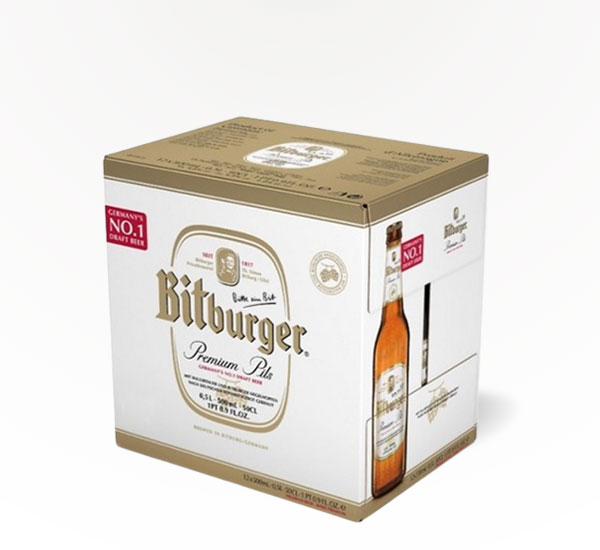
A few pale lagers that show the range this style can cover, from the Czech original to the Italian-inspired hoppy end:


FAQs
Who invented Italian pilsner?
Agostino Arioli, founder of Birrificio Italiano, generally considered Italy’s first craft brewery. He created Tipopils in 1996, dry-hopping a clean German-style lager, which became the template for the style.
What makes a pilsner ‘Italian style’?
The dry-hopping. Italian pilsner starts as a standard clean pale lager, then gets hops added after fermentation rather than boiled in, a technique borrowed from English cask ale that gives the beer a hop aroma most lagers don’t have.
Is Italian pilsner the same as a regular pilsner?
No. A regular pilsner gets its hop character from hops added during the boil. Italian pilsner adds hops again after fermentation (dry-hopping), giving it a brighter, more aromatic hop nose while keeping the same clean, dry lager body.
What American beer popularized Italian pilsner?
Firestone Walker’s Pivo Pils, released in 2012 and explicitly credited to Tipopils and Arioli, is widely cited as the beer that brought the style to American craft brewers.


